

Spin to Win Big with the Best Online Slot Games Right Now
Tired of complex rules ruining a quick gaming session? Slot games solve this by offering pure chance-based gameplay where you simply spin the reels to match symbols across paylines. Each spin is independent, with wins determined instantly by a random number generator, requiring no skill or strategy from the player. This straightforward mechanic provides immediate entertainment and the potential for bonus rounds or jackpots with every single turn.
The Evolution of Reels: From Mechanical to Digital
The evolution of reels from mechanical to digital fundamentally transformed slot games by replacing physical spinning drums with virtual ones controlled by random number generators. Early mechanical reels were limited by physical space, typically housing only 20 symbols per reel and offering one payline. Digital reels shattered these constraints, allowing software to simulate reels of any length, enabling hundreds of symbols and thousands of paylines. This shift made bonus features like cascading reels and multi-tiered wilds possible, dramatically increasing gameplay variety. Players now experience seamless, high-speed spins without the wear of physical parts, and digital reels can display complex animations and interactive elements that were impossible with metal and plastic. The mechanical-to-digital transition ultimately delivered richer, faster, and more engaging slot sessions.
How Classic Fruit Machines Paved the Way for Modern Gaming
Classic fruit machines established the foundational core mechanics of modern gaming, particularly the reel-spin and payline system that digital slots still use today. Mechanical three-reel setups with symbols like cherries and bells trained players to recognize winning combinations instantly, a pattern that persists in modern video slots. Their limited paylines taught gamblers to value risk-reward ratios, directly influencing contemporary bonus rounds and volatility features.
- Introduced the three-reel structure now replicated in digital formats for familiarity
- Created the symbol hierarchy (fruit, bars, sevens) still governing paytable design
- Established coin-in, spin-to-win interaction that all modern slots retain
The Transition from Three Reels to Video Displays
The transition from three reels to video displays replaced physical spinning stops with a virtual grid rendered on a screen. This shift allowed software to define each position arbitrarily, enabling thousands of possible symbol combinations per spin rather than being limited to the physical stops of a mechanical reel. Bonus features, such as cascading reels and interactive pick rounds, became possible because the display could dynamically alter its layout. The mechanical lever and spinning drum were thus supplanted by a monitor driven by a random number generator, fundamentally changing how outcomes are generated and presented to the player.
The shift to video displays removed physical constraints, enabling dynamic layouts, multi-line pay systems, and interactive features that mechanical three-reel machines could never support.
Why RNG Technology Transformed Player Trust
Before RNG technology, players suspected mechanical slots were rigged by hidden physical mechanisms. The shift to digital digital fairness verification eliminated this distrust. Now, each spin’s outcome is determined at the exact millisecond you press play, independent of previous results. This randomness builds trust because players understand no pattern exists to exploit. The sequence is clear:
- The RNG generates thousands of number combinations per second.
- Your click freezes one random number at that instant.
- That number maps to a specific reel position with no memory of past spins.
This transparent, unchangeable logic transformed slot gaming from a suspected cheat into a trusted, statistically equal chance for every player.
Decoding Game Mechanics: Paylines, Volatility, and RTP
Decoding game mechanics like paylines, volatility, and RTP is essential for strategic slot play. Paylines define winning patterns; fixed lines require betting on all, while adjustable ones let you select active paths, impacting cost and hit frequency. Volatility dictates risk: low volatility offers frequent small wins, high volatility delivers rare but larger payouts, affecting bankroll management. RTP, the theoretical return-to-player percentage, indicates long-term payout—higher RTP (e.g., 96%+) reduces the house edge. To maximize sessions, align volatility with your tolerance and choose slots with higher RTP. Always check these three metrics before spinning to control your experience, not the outcome.
Understanding Fixed vs. Adjustable Paylines
Understanding the difference between fixed and adjustable paylines is crucial for controlling your slot game strategy. A machine with fixed paylines requires you to bet on every active line for every spin, ensuring you never miss a winning combination but forcing a higher minimum wager. In contrast, adjustable paylines let you choose how many lines to activate, allowing you to stretch your bankroll by betting on fewer lines. However, this choice directly reduces your chances of hitting a payout per spin, as you are simply ignoring potential wins on deactivated lines. Always verify a game’s paytable to see if you can tailor your line count or if it locks all lines in.
Low, Medium, and High Volatility: What They Mean for Your Bankroll
Low volatility slots offer frequent, small wins, preserving your bankroll management strategy for extended play. Medium volatility provides a balanced mix of modest payouts and occasional larger hits, suiting mid-sized bankrolls that can absorb variance. High volatility slots feature infrequent but potentially massive wins, demanding a larger bankroll to withstand long dry spells. Your choice directly dictates how long your funds last and the emotional ride. Align the volatility level with your risk tolerance and session budget to avoid depleting funds prematurely.
How Return to Player Percentage Affects Long-Term Play
RTP is your guide to how a slot behaves over hundreds or thousands of spins, not just one session. A higher percentage, like 96% or 98%, slowly chips away at your bankroll less aggressively, giving your playtime more stamina. In contrast, a low RTP can drain funds faster, making those long grinds feel much shorter. For long-term play, choosing slots with a higher RTP is a practical way to stretch your budget and get more gameplay for your money. Long-term RTP impact is felt in the marathon, not the sprint.
- Games with high RTP preserve your bankroll over extended sessions.
- Low RTP accelerates losses, cutting your total playtime short.
- A 1% RTP difference can significantly change your average session length.
- Volatility dictates short-term swings, but RTP defines your long-term return.

Thematic Worlds and Immersive Storytelling
Thematic worlds in slot games rely on cohesive visual, audio, and narrative elements to transport players into a specific setting, such as ancient Egypt or a fantasy realm. Immersive storytelling deepens this by integrating a sequential plot or character progression, where bonus rounds or symbol combinations advance the narrative rather than simply awarding credits. This approach transforms each spin into a chapter, making the player an active participant in the unfolding story. How do thematic worlds and immersive storytelling enhance player engagement? They create emotional investment by connecting gameplay mechanics to a narrative goal, encouraging longer sessions through curiosity about the next story beat or visual reveal.
Mythology, Adventure, and Pop Culture Themes in Modern Play
Modern slot games pull you into worlds where mythology, adventure, and pop culture themes collide for instant recognition. You might spin alongside Norse gods like Thor or Odin, then jump into a treasure hunt through ancient Egyptian tombs. Pop culture mashups let you team up with iconic movie heroes or binge-worthy TV characters, using their signature moves to trigger bonus rounds. A single session can shuffle you from a dragon-slaying quest to a sci-fi heist without leaving your couch. These themes work because they turn every spin into a mini-story, making the gameplay feel personal and exciting.
Mythology, adventure, and pop culture themes make modern slots feel like interactive stories—familiar worlds where every spin advances your own heroic, funny, or epic journey.
How Visuals and Soundscapes Create Engagement
Visuals in slot games anchor player attention through thematic consistency, using color palettes and symbol animations to reinforce narrative cues like a jungle or ancient temple. Soundscapes synchronize with these visuals, employing rhythmic reel sounds and character-specific audio triggers to create proximity-based feedback loops that signal win potential. A cascading win visually expanding across reels aligns with a rising pitch of celebratory tones to heighten perceived reward. This dual-layer stimulation reduces cognitive drift by merging sight and hearing into a single confirmatory experience, making each spin feel like a coherent event within the theme rather than a random outcome.
The Role of Narrative in Bonus Features

Narrative transforms bonus features from simple multipliers into interactive story moments. A free spins round might depict a thief dodging lasers, where each collected key unlocks a higher multiplier tied directly to the plot. This narrative layer gives players a *reason* to trigger the bonus beyond pure economics, turning repeated spins into a goal-driven journey. The feature’s payout becomes a satisfying reward for completing a mini-quest, not just random luck. Character progression in a bonus, such as leveling up a treasure hunter, directly ties the narrative to increased volatility and potential rewards.
Q: How does a narrative bonus feature improve player retention? By replacing repetitive clicking with a desire to follow a story, the narrative encourages players to keep spinning specifically to see how the bonus’s plot resolves, extending play sessions naturally.
Bonus Features That Elevate the Experience
In slot games, bonus features that elevate the experience go beyond simple free spins. Interactive pick-and-click rounds with cascading multipliers create genuine player agency, turning a passive spin into a strategic decision. Progressive win-multiplier trails, which increase with every consecutive win within a single bonus cycle, dramatically amplify payout potential and sustain engagement. However, the most impactful features incorporate mini-games that actually require a blend of risk assessment and timing, rather than just predetermined outcomes. A well-designed sticky wilds mechanic, where special symbols lock in place for respins, can transform a flat session into a dynamic chase with escalating rewards. These mechanics, when balanced, directly fuel the thrill of unpredictability that defines premium slot experiences.
Free Spins, Multipliers, and Wild Symbols Explained
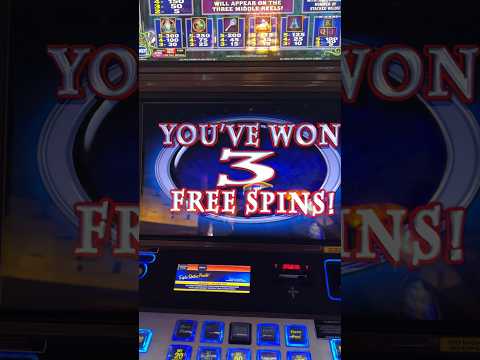
Free Spins, Multipliers, and Wild Symbols Explained as core mechanics work in tandem to amplify payout potential. Free Spins trigger a set number of reel rotations without deducting your balance, often enhanced by Multipliers that scale winnings by a fixed factor. Wild Symbols act as substitutes for missing payline icons, frequently carrying their own Multipliers to boost winning combinations. When a Wild appears during a Multiplier-active Free Spin round, the combined effect can exponentially increase a single spin’s return.

- Free Spins typically activate via scatter symbols and grant multiple rounds with no cost.
- Multipliers apply a numerical value (e.g., x2, x5) to any win during the bonus.
- Wild Symbols replace standard symbols to form or extend winning lines.
- Sticky Wilds remain on reels during Free Spin sequences for repeated boosts.
Progressive Jackpots: How Prize Pools Accumulate
Progressive jackpots elevate the slot experience by tapping a tiny fraction of every wager into a shared prize pool. This incremental accumulation creates life-changing progressive jackpot payouts that grow rapidly across linked machines or networks. The pool resets to a base value after a win, then rebuilds immediately. A clear sequence governs this process:
- A player’s spin deducts a small percentage of the bet for the jackpot fund.
- That amount is added to the central prize pool, visible on all connected games.
- Once a random trigger occurs—often independent of reel outcomes—the entire accumulated sum is awarded.
This mechanic ensures each spin directly contributes to ever-higher potential rewards, making every play feel significant.
Unique Mechanics Like Cascading Reels and Megaways
Cascading reels remove winning symbols, allowing new ones to fall into place for consecutive wins within a single spin. This chain reaction can multiply rewards without an additional bet. Megaways mechanics dynamically change the number of symbols per reel, creating up to 117,649 ways to win. While cascading focuses on re-triggering payouts from one spin, Megaways varies win-line counts each round. Both systems layer unpredictability and extended bonus rounds, keeping players engaged through continuous potential rather than static reel setups.
| Mechanic | Core Action | Win Potential |
|---|---|---|
| Cascading Reels | Symbols explode, new ones drop | Multiple wins from one spin |
| Megaways | Reel height changes per spin | Variable ways up to 117,649 |
Mobile Optimization and User Interface Design
Thumbing through a jungle-themed slot on my phone during a bumpy train ride, the touch-friendly reel swipe cuts lag instantly—spin buttons resize automatically as I shift from portrait to landscape, keeping fat-finger misclicks rare. Adaptive layout crams paylines and bet controls into a thumb-zone arc, while haptic taps on win animations feel snug, not cluttered. A quick Q&A: *Why does mobile UI for slots reduce spin delay?* Because thinning graphical assets and prioritizing tap-responsive zones lets you chain spins without buffering, even on weak signals.

Why Touchscreen Controls Change Gameplay Dynamics
Touchscreen controls replace mechanical buttons with direct taps and swipes, making each spin feel more immediate. This changes gameplay dynamics by letting you tap individual symbols or paths to trigger hold-and-win features, turning passive watching into active participation. Sliding a finger across the reels can initiate respins or cascading sequences, altering the rhythm of play. Because you’re physically touching the action, decisions feel faster and more personal, which often quickens round speed and changes your engagement with bonus rounds.
Touchscreens make slot games interactive by turning every spin into a hands-on command, shifting you from observer to participant.
Responsive Layouts for Seamless Play on Any Device
Responsive layouts ensure slot games auto-adjust their reels and buttons to fit your screen, whether you’re on a phone, tablet, or desktop. Instead of pinching or zooming, the interface dynamically resizes, so spin buttons stay thumb-friendly and paylines remain visible. This seamless cross-device play prevents layout breaks or overlapping elements during rapid spins. A well-coded responsive design keeps the game’s action intact without cutting off bonus triggers or jackpot meters.
- Fluid grid systems scale slot symbols proportionally without cropping.
- Touch targets enlarge on smaller screens to avoid misclicks.
- Landscape and portrait modes both maintain full game functionality.
Load Times and Battery Life Considerations
In slot games, optimized asset loading directly reduces energy drain by preventing constant GPU and CPU spikes. Compressed textures and lazy-loading reels mean the device uses less power per spin, extending play sessions. Background tasks, like pre-loading next-level animations only after a win, keep processor idle times high. A game that loads in under three seconds avoids the initial power surge that long boot sequences cause, preserving battery for sustained interaction.
- Pre-caching of reel symbols during wait states cuts repeated asset decompression, lowering voltage draw.
- Throttled frame rates during idle auto-spin modes reduce heat generation and battery depletion.
- Eliminating autoplay animations that use the accelerometer prevents unnecessary gyroscope polling.
- Progressive texture downloads avoid wiping the CPU cache, which otherwise drains power on reloads.
Bankroll Management and Responsible Play
Effective bankroll management is critical for slot players to avoid rapid losses. Always set a strict session budget before spinning, and never chase losses by increasing bet sizes. Divide your total bankroll into smaller units—for example, 50 or 100 bets per session—to extend playtime. Use loss limits and win goals; walk away once you double your starting bankroll. Responsible play means treating slot games as entertainment, not a way to make money. Never gamble with funds needed for bills or essential expenses. If you feel frustrated or are spending more than planned, take a break or stop entirely. The goal is to enjoy the experience within your personal financial boundaries.
Setting Deposit Limits and Session Timers
Within bankroll management for slot games, deposit limits and session timers function as proactive control mechanisms. Deposit caps, set daily, weekly, or monthly, directly cap the total currency funneled into the reels, preventing impulsive top-ups after a loss. Session timers enforce a hard stop after a chosen duration, counteracting the time-distorting flow of continuous spins. Together, they address distinct risks: one curbs monetary exposure, the other interrupts the behavioral loop of rapid play. Adjusting both before starting a session ensures the player’s intent, not the game’s pace, dictates the endpoint.
Pre-set deposit limits cap financial loss, while session timers force a break, giving the player structural control over slot play duration and expenditure.
How to Identify and Avoid Problematic Behavior
Recognizing problematic behavior starts with setting strict loss limits before you spin. If you find yourself chasing losses, lying about time or money spent, or feeling irritable when stopping, that’s a red flag. Avoid these patterns by using session timers and self-exclusion tools built into slot games. Never play to “recover” a loss—each spin must be independent fun money. If you hide play from others or feel a compulsive urge to bet, take a pause and walk away for 24 hours. Real avoidance means treating slots as paid entertainment, not a financial strategy.
Summary: Identify problematic behavior by spotting chasing patterns, secrecy, or irritability; avoid it by using loss limits, timers, and walking away when fun stops.
The Psychology of Near Misses and Reward Schedules
Near misses exploit the brain’s reward system by triggering a dopamine response almost identical to a win, despite being a loss. In slot games, a reel stopping one position short of a jackpot creates an illusion of “almost winning,” which conditions players to persist. Variable reward schedules amplify this effect: unpredictable payouts keep the brain engaged, as the next spin might be the win. This psychological mechanism overrides rational bankroll assessment, leading to extended play sessions. Understanding that a near miss is not a signal of impending success is crucial for maintaining discipline.
- A near miss activates the same neural pathways as a win, reinforcing the desire to continue.
- Variable reward schedules exploit unpredictability, making losses feel like temporary setbacks.
- Recognizing near misses as statistical noise helps resist chasing perceived close calls.
Industry Trends and Emerging Technologies

The hum of a Vegas floor is being rewritten by server-side tech, where mathematical models now allow for dynamic volatility shifts mid-session. Megaways engines have evolved beyond simple multipliers, with procedural reel mapping that alters win clusters in real-time based on player cadence. Mobile-first architecture now prioritizes synchronous multi-platform play, where a single spin triggers cascading animations across a browser and a smartwatch simultaneously. Chip-level RNG accelerators reduce latency to microseconds, syncing bonus rounds with haptic feedback on wearables. The backend is where the magic lives—cloud-based AI behavior trees now adapt symbol scarcity not by algorithm, but by observing how long a thumb hovers over the spin button.
Cryptocurrency and Blockchain Fairness in Gaming
Blockchain technology introduces provably fair algorithms to slot games, allowing players to independently verify each spin’s randomness and outcome. Cryptocurrency transactions eliminate traditional payment delays, enabling instant deposits and withdrawals directly from decentralized wallets. Smart contracts automate payout distributions based on immutable game logic, reducing reliance on centralized operators. This creates a transparent audit trail where historical spin data cannot be altered, making provably fair slot audits a practical tool for user verification. By removing intermediary control, blockchain ensures that house edges and jackpot calculations remain consistent with published rules, directly enhancing trust in digital slot mechanics.
Virtual Reality and Live Dealer Hybrid Experiences
Virtual reality slot games now integrate live dealer feeds into 3D casino lobbies, letting players spin reels while watching a real croupier deal cards on a separate table. This hybrid immersion uses hand-tracking controllers for pulling levers and dropping chips onto the felt. A typical session follows:
- Don a VR headset and enter a digital casino floor.
- Select a slot machine next to a live dealer blackjack station.
- Spin the slot’s reels via gesture, then glance sideways to place a live bet.
The dealer’s video stream renders inside the virtual environment, syncing slot outcomes with adjacent table results for a cohesive, uninterrupted play loop.
Artificial Intelligence for Personalized Player Journeys
Artificial intelligence redefines player journeys in slot games by dynamically tailoring mechanics to individual behavior. AI algorithms analyze real-time spin data, adjusting volatility, bonus frequencies, and thematic elements to match a player’s risk tolerance and engagement patterns. This creates adaptive gaming experiences that evolve with each session, sustaining immersion without relying on static reward schedules. By learning preferences for features like free spins or cascading reels, the system curates a unique progression path, ensuring the gameplay remains challenging yet accessible. The result is a closed-loop personalization where every interaction refines subsequent slot performance, deepening retention through relevance rather than random chance.
Choosing a Platform: Licensed Casinos and Game Developers
When you pick a platform for slot games, the choice of licensed casinos and game developers shapes every spin you take. You’re not just chasing reels—you’re trusting that the developer’s payout rates are verified by the casino’s license, so a big win on a volatile slot from a top-tier studio actually lands when it should. Remember that one session where you hit a bonus round on a reputable provider’s game at a regulated casino?
That trust meant the feature triggered exactly as designed, with no stingy payout tweaks.
Without that link, your jackpot could feel like a glitchy dream. Always confirm the developer name in the game’s corner matches the casino’s listed partners—that’s your real guarantee of fair, random results.
Reputation Checks and Regulatory Bodies
When evaluating slot platforms, running reputation checks on regulatory bodies is your first safeguard. Verify the gambling authority—like the Malta Gaming Authority or UK Gambling Commission—directly on its official registry, not the casino’s site. These bodies audit slot game RNGs and payout percentages for fairness. A legit regulator will list an active license number and any sanctions against the operator. Cross-reference this with player forums or complaint databases; a pattern of unresolved disputes signals a failing oversight system. Always check if the regulator mandates independent testing for each slot title, as this confirms game integrity at the client level.
Top Studios Known for Innovation and Reliability
When hunting for slots that feel fresh and actually pay out, focus on top studios known for innovation and reliability. NetEnt leads with crisp visuals and features like Avalanche reels that never get old. Play’n GO keeps wins frequent and themes wild, from Rich Wilde to Reactoonz. For consistent mechanics and serious jackpots, Microgaming is a safe bet. Pragmatic Play churns out stable, high-volatility hits that run smoothly everywhere. To find your next favorite slot, try this:
- Check a studio’s RTP history (reliable studios keep it fair).
- Play their demo versions first to test innovation without risk.
- Stick to studios with a proven track record of fast payouts and bug-free launches.
That’s how you land a studio that balances wild creativity with rock-solid performance.
Demo Modes vs. Real Money Play: Pros and Cons
Demo modes let you explore a slot’s volatility and bonus mechanics without financial risk, perfect for testing strategies. However, they cannot replicate the thrill or psychological pressure of real stakes. Real money play unlocks actual winnings and qualifies for platform bonuses, but carries the danger of chasing losses. For serious players, balancing both is key: use demos to vet games, then switch to real money for potential payouts. Risk-free game testing in demos should inform, not replace, your funded sessions.
Demo modes offer safe practice; real money play offers genuine rewards and risks—use each deliberately.
Cultural Impact and Social Aspects
Slot games have become embedded in digital culture, often adopting local folklore or iconic imagery to create regional resonance, which directly influences player engagement. Socially, these games have evolved from solitary pursuits into community experiences via social slot features like leaderboards and shared bonus rounds, fostering a sense of collective participation. A key social aspect is the normalization of near-miss outcomes, which culturally trains players to perceive loss as a step toward victory. This behavioral conditioning is often reinforced by the celebratory audio and visual feedback for any spin result, making the loss state feel socially acceptable within the gaming session. For expert practitioners, understanding these cultural framings is critical for designing experiences that feel relevant and socially connected to the user base.
Streamers, Tournaments, and Community Events
Streamers amplify slot game engagement by broadcasting live spins, often using community-chosen bet sizes to foster interactive viewership. Tournaments, such as leaderboard races or reel-based challenges, drive competitive play where participants chase real-time player rankings for cash or bonus prizes. Community events like themed slot races or shared progressive jackpot goals unify player bases across platforms. These social layers transform solitary spinning into a collective experience, where shared anticipation of bonus rounds replaces individual luck. Such gatherings rely on synchronized start times and structured reward tiers to sustain participation.
How Gamification Elements Foster Loyalty
Gamification elements transform slot games into loyalty-building ecosystems by creating a sense of progression and investment. Features like leveling systems with tiered rewards directly incentivize repeated play, as users unlock exclusive bonuses and themed content that cannot be accessed otherwise. Daily challenges and achievement badges foster a habitual loop, where players return specifically to complete streaks and maintain their status. Leaderboards introduce social validation, compelling individuals to engage longer to secure rank-based perks. This structured reward architecture shifts focus from pure chance to earned milestones, deeply embedding loyalty through personalized goals that feel uniquely attainable within the session.
Cross-Platform Multiplayer and Shared Jackpot Pools
Cross-platform multiplayer transforms slot games into a shared social experience, where friends on phones and PCs spin the same reels simultaneously. This connectivity fuels shared progressive jackpots, as every player’s bet contributes to a single, exploding pool visible to all. Watching the pot climb in real-time, and knowing any participant can trigger the win, builds collective anticipation and competitive camaraderie. These pools often escalate faster than isolated machines, offering life-changing sums that unite the player base in a common goal.
Cross-platform play merges individual spins into a communal hunt, with shared jackpot pools creating a dynamic, socially charged race where every player’s stake feeds a single, growing prize.
Tips for Newcomers Entering the Spin Scene
Start with demo modes to master paylines and bonus triggers without risking funds. Set a strict session bankroll and stick 399bet to it, treating every spin as entertainment cost, not an investment. Choose high RTP slots with simple mechanics over flashy progressives to build confidence early. Understanding volatility is the difference between sustained play and a lost session in minutes. Always read a game’s paytable before your first real-money spin—it reveals which symbols matter and how features activate. Manage your mental tempo: slow down between spins to avoid chasing losses, and never increase bets after a win streak. Your goal is disciplined immersion, not blind gambling.
Starting with Low Stakes and Exploring Free Versions
For newcomers entering the spin scene, starting with low stakes is essential to manage your bankroll while you learn game mechanics. Free versions, often called demo modes, let you explore reel configurations and bonus triggers without financial risk. Transitioning from free play to very low real-money wagers builds confidence without pressure. This approach of starting with low stakes and exploring free versions ensures you understand paylines and volatility before committing funds.
| Strategy | Primary Benefit | Typical Practice |
|---|---|---|
| Free Versions | Zero financial risk for learning rules | Play demo mode with virtual credits |
| Low Stakes | Extends playtime and reduces loss impact | Bet minimum coin values or cents per spin |
Common Myths About Hot and Cold Machines
A common myth is that a machine “due” for a payout is hot or cold machine tracking based on recent results. In reality, modern slot games use Random Number Generators (RNGs), making each spin independent. A machine that hasn’t paid in hours has the same odds as one that just paid. Chasing a “cold” machine by betting higher, believing it must turn “hot,” simply accelerates your bankroll loss without altering probability.
Q: Does a machine become “hot” after a long losing streak?
A: No. Every spin is an isolated event; past results have zero influence on future outcomes.
Reading Paytables and Understanding Symbol Values
Before you spin, always check the paytable—it’s your cheat sheet for the game. Each symbol carries a different value, with high-paying icons like wilds or themed characters offering bigger wins than low-paying card suits. Paytables also reveal how symbol values scale with bet size, so you know exactly what a five-of-a-kind pays at your current wager. Scan for special symbols like scatters, which often trigger free spins, and note any multiplier effects tied to stacked or expanding symbols. Knowing this upfront saves you from confused guesses mid-session.
Unlocking the game’s secrets starts with the paytable: symbols aren’t random, and their values directly shape your winning potential.